Redesigning the Passenger Experience
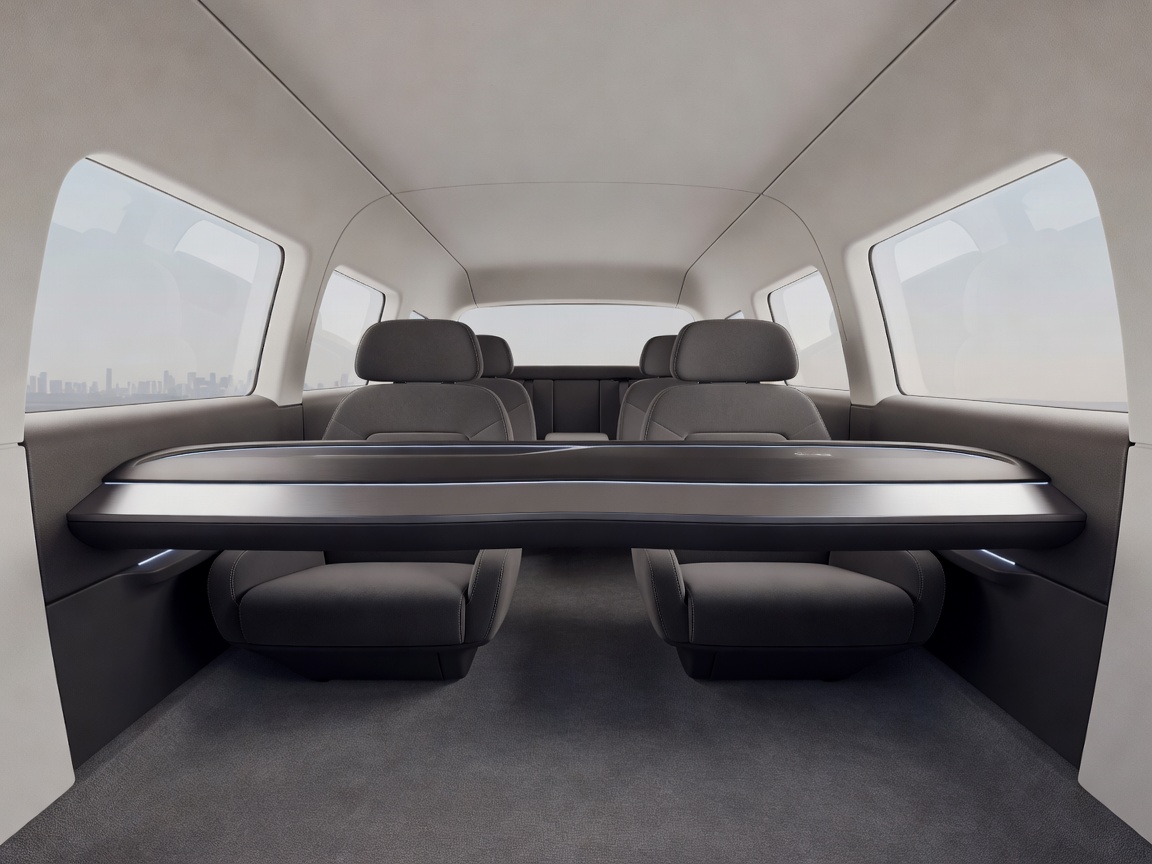
Without a driver in the front seat, the dynamic of a ride-hailing trip fundamentally changes. The cabin is no longer a shared space with a stranger; it becomes a private, mobile lounge. However, this lack of human presence introduces new challenges regarding trust, communication, and in-cabin management.
Designing the passenger experience for a Level 4 robotaxi requires reimagining the Human-Machine Interface (HMI) and ensuring the service is accessible to all demographics.
Building Trust through HMI
When a passenger cannot simply ask a driver, "Do you see that pedestrian?", the vehicle must proactively communicate its awareness. This is achieved through sophisticated in-cabin displays.
Screens located in the rear of the vehicle provide a simplified, stylized visualization of what the car's sensors are detecting. Showing pedestrians, cyclists, and other vehicles on a display reassures passengers that the AI is fully aware of its surroundings. Additionally, audio cues and clear route mapping help manage expectations, explaining why the car might be pausing at a green light (e.g., waiting for a crossing pedestrian hidden from the passenger's view).
Accessibility Innovations
Autonomy presents a revolutionary opportunity to expand mobility for individuals with disabilities who cannot drive or face barriers with traditional ride-hailing services. Without needing to design around a driver's seat, custom-built robotaxis can maximize interior space.
- Physical Accessibility: Future purpose-built platforms are exploring built-in ramps, wider doors, and securement systems designed specifically for independent wheelchair boarding.
- Visual and Auditory Assistance: Companion mobile apps provide tactile and auditory guidance to help visually impaired passengers locate the specific vehicle. Exterior speakers can announce the vehicle's arrival, while high-contrast interior lighting assists with boarding.
Cabin Management and Security
A driverless cabin poses unique challenges regarding cleanliness and security. Without a driver to monitor behavior, operators must rely on interior sensors to ensure the vehicle is not vandalized and that belongings are not left behind.
Interior cameras and microphones (often strictly regulated by privacy policies) act as a deterrent to bad behavior. Algorithms can detect if a passenger has spilled a drink or left a bag, instantly flagging the vehicle to route itself to a cleaning depot before accepting the next ride. Should a passenger feel unsafe or experience a medical emergency, dedicated support buttons connect them immediately to remote human assistance.
Ultimately, the success of robotaxis hinges not just on their ability to drive safely, but on their ability to make passengers feel comfortable, respected, and secure in a totally automated environment.