Demystifying the Operational Design Domain (ODD)
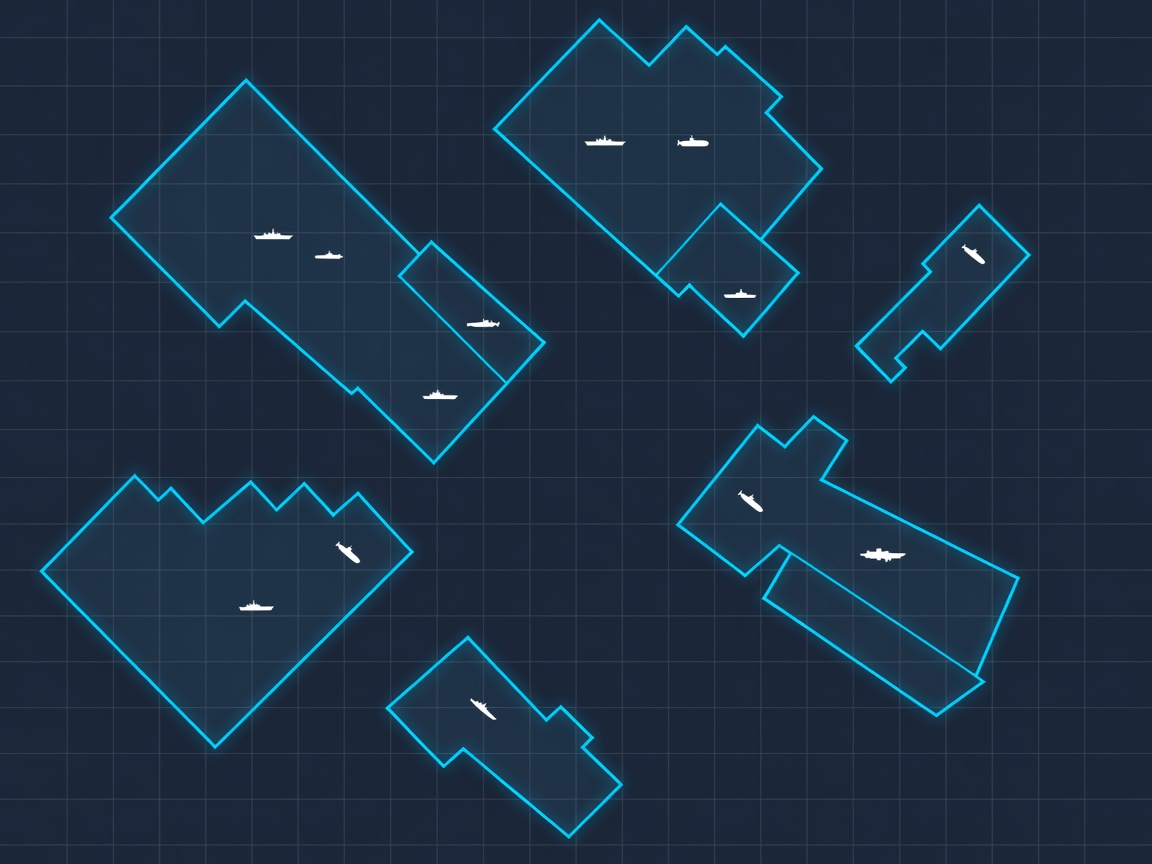
The most critical distinction between Level 4 autonomy and a hypothetical Level 5 system is the concept of the Operational Design Domain (ODD). A Level 4 vehicle is fully autonomous, requiring no driver, but only within specific, predefined conditions.
An ODD is a set of parameters outlining where, when, and how an autonomous system is permitted to operate. If conditions fall outside these parameters, the vehicle must either refuse to engage, safely pull over, or transition control to a remote teleoperations center.
Geofencing: The Invisible Borders
The most obvious component of an ODD is geographic bounding, commonly referred to as geofencing. Robotaxi fleets do not navigate entirely by sight like a human; they rely on incredibly dense, high-definition (HD) maps. These maps include centimeter-level details regarding curb heights, traffic light placements, lane widths, and stop sign locations.
If a vehicle leaves its mapped territory, it essentially becomes blind to these critical priors. Therefore, fleet operators strictly limit operations to cities or neighborhoods that have been extensively mapped and validated. If a passenger attempts to request a ride outside this zone, the software simply denies the request.
Weather and Environmental Restrictions
Sensors are heavily impacted by environmental factors. A robotaxi might have an ODD that permits operation during the day and night in clear weather, but explicitly forbids operation during heavy rain, fog, or snow.
When atmospheric conditions degrade beyond the sensor suite's ability to confidently identify hazards, the fleet manager will ground the vehicles. This is why early commercial deployments of Level 4 robotaxis have predominantly occurred in sunbelt cities with highly predictable, mild weather patterns.
Speed and Road Type Limitations
Another crucial ODD parameter involves velocity and infrastructure types. Many early Level 4 systems were restricted to surface streets with speed limits under 45 mph, strictly avoiding highways.
High-speed driving reduces the time a computer has to react to an anomaly. It also increases the severity of any potential collision. Expanding an ODD to include highway driving requires significantly longer sensor ranges (often necessitating more powerful Lidar units) and more robust predictive algorithms to anticipate the actions of human drivers merging at 70 mph.
Expanding the Envelope
The business model of a robotaxi company is inherently tied to expanding its ODD. The larger the territory, the longer the operational hours, and the broader the weather conditions, the higher the utilization rate of the fleet.
Operators expand their ODDs incrementally. They might start with daytime only in a 10-square-mile suburban area. Once they accumulate millions of miles of incident-free data, they petition regulators to expand to nighttime driving, then to light rain, then into denser urban cores. This slow, iterative expansion is the defining characteristic of modern autonomous deployment strategies.